Pre-production
Kokum Stearin — editorial still life
Derivative N° 01 · Dry fractionation · Chiplun · Ratnagiri

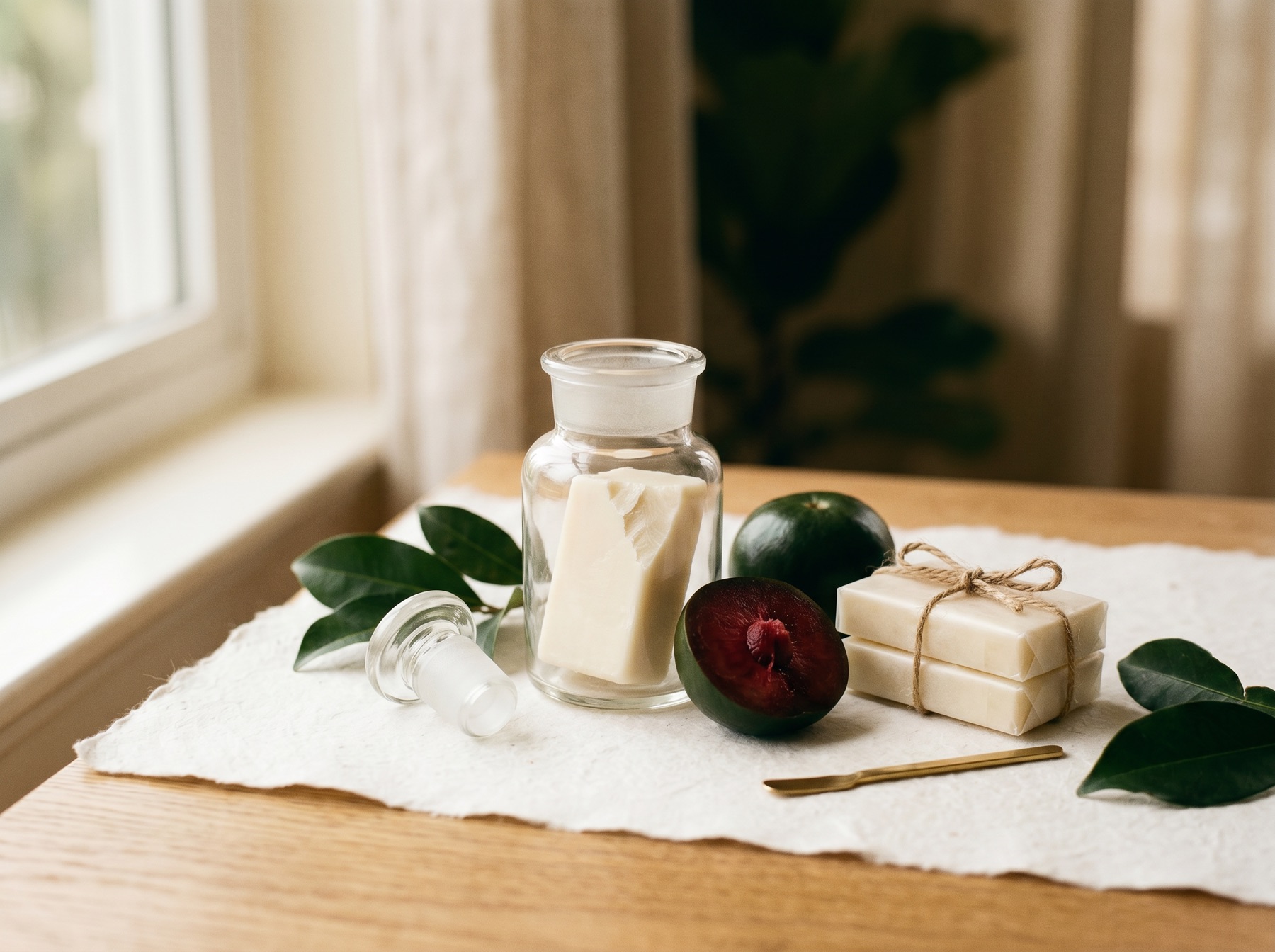
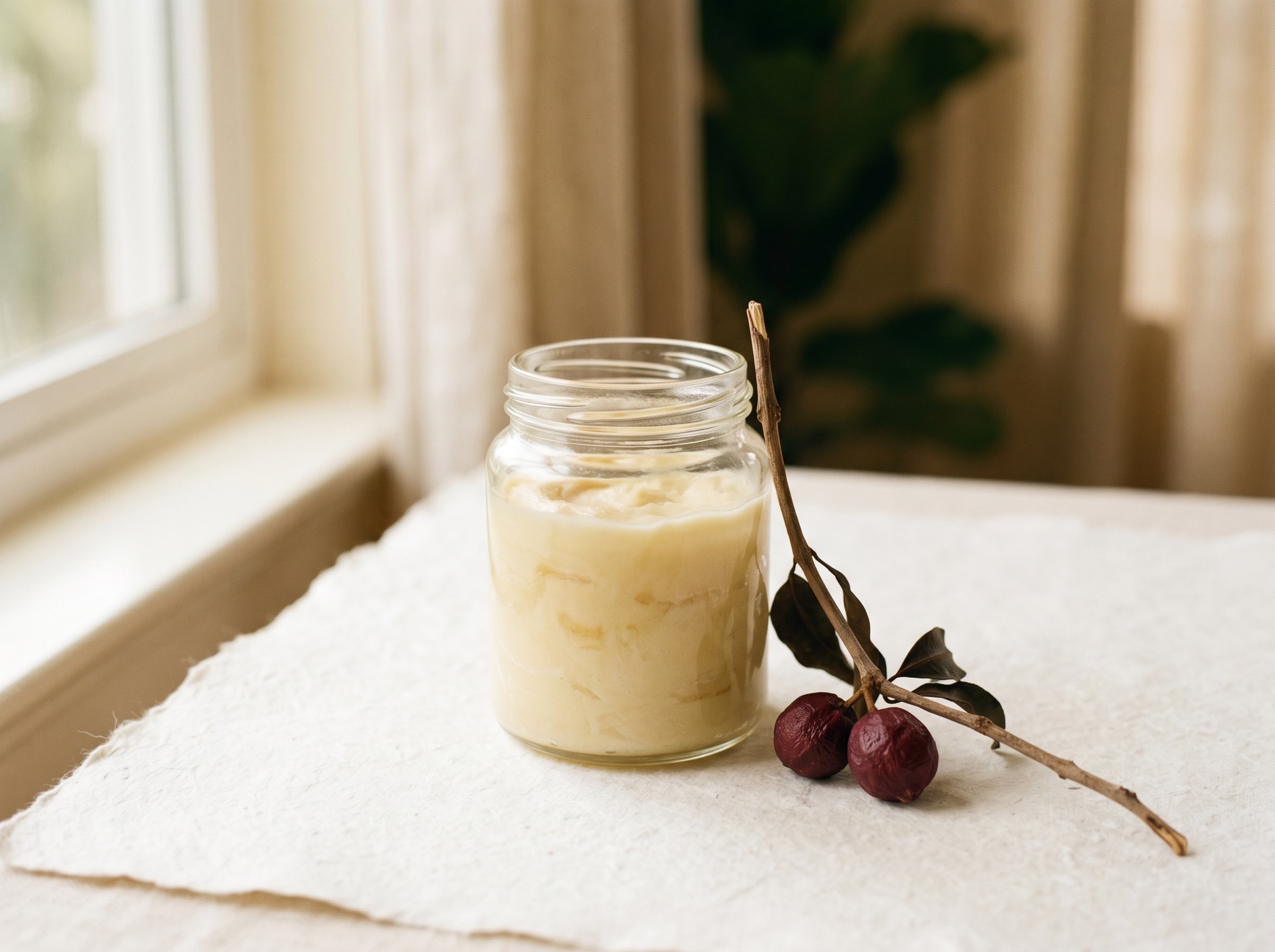
Kokum Stearin

CBE grade · dry-fractionated from Garcinia indica

The high-melt fraction of kokum butter, and the lipid this company is built around. It is the fraction chocolate manufacturers and hard-butter formulators reach for when palm and solvent extraction are both off the table. Published typical values put stearic acid around 55–65 percent, the melt point around 42–46°C, and SOS triacylglycerol content high enough to make it a credible cocoa butter equivalent. Dry fractionation at pilot scale is the first process we intend to validate.
N° 01
The fraction & the press

What this lipid actually is.

Kokum stearin is the hard fraction of kokum butter. Dry fractionation strips the oleic-heavy liquid and concentrates the β-prime-stable triacylglycerols — principally SOS — into a lipid whose crystal behaviour closely mirrors cocoa butter.

For chocolate manufacturers, this is the cleanest Indian-origin cocoa butter equivalent we know of. Kokum is one of the six vegetable fats permitted under EU Directive 2000/36/EC for use in chocolate up to 5 percent, alongside shea, illipe, sal, palm, and mango kernel.

For cosmetic formulators, kokum stearin is the structural lipid that replaces palm stearin in anhydrous whipped body butters, deodorant sticks, and solid colour bars.

To be pressed sixty kilometres from the grove.
N° 02
Specifications

The numbers behind every kilogram.

Technical specifications

Published typical values · not lot data

Melt point
42–46 °C
SAP value
190–200 mg KOH/g
Iodine value
28–34
Stearic acid
55–65 %
SOS triacylglycerol
≥85 %
FFA
<0.5 %

Fatty acid signature

Fatty acidNotationTypical range
StearicC18:055–65%
OleicC18:125–35%
PalmiticC16:02–5%
LinoleicC18:2<1%
Other<2%
N° 03
Formulation uses

Where it earns its keep.

Applications where this lipid is generally used, drawn from published formulation practice.

Premium chocolate CBE

Up to 5 percent inclusion under EU 2000/36/EC. No reformulation required.

Heat-resistant CBE

42 to 46°C melt holds structure through Indian summer distribution.

Hard whipped body butters

22 percent inclusion yields a stable, β-prime, velvet-snap texture.

Deodorant and balm sticks

Replaces palm stearin without altering crystal memory.

Solid colour cosmetics

Non-staining, high pigment loading, minimal drag.

Pharma suppository bases

Near-cocoa thermal profile without cocoa constraint or tariff exposure.

Substitution guidance

Replaces palm stearin at 1:1 in most hard-butter systems. In chocolate, substitute up to 5 percent of cocoa butter directly under EU Directive 2000/36/EC. Do not confuse with hydrogenated vegetable fats — kokum stearin is solvent-free, dry-fractionated, and trans-fat zero.

Provenance of these figures

Every specification on this page is a published typical value for the botanical species, compiled from supplier technical data sheets and the peer-reviewed literature. Real ranges shift with origin, season, kernel quality and refining route: treat these as indicative, and always specify against your supplier’s own CoA.

Key reference for kokum as a cocoa butter equivalent: Maheshwari, B. & Reddy, S.Y., “Cocoa butter extenders from Kokum (Garcinia indica) and Phulwara (Madhuca butyracea) butter,” Journal of the American Oil Chemists’ Society (doi:10.1007/BF02541559) — reports kokum’s stearic/oleic profile and its ~70% SOS triacylglycerol content, the basis of its use as a cocoa butter replacement.

Pre-production

First samples go to this list.

Register interest and we will write to you personally when there is validated pilot material.

Register interest
N° 04
Also from the shelf

Three more dossiers.

We do not sell commodity butters.

From Konkan with love.