Pre-production
Sal Butter — editorial still life
Dossier N° 03 · Jharkhand & Chhattisgarh tribal belts

Sal Butter

Shorea robusta

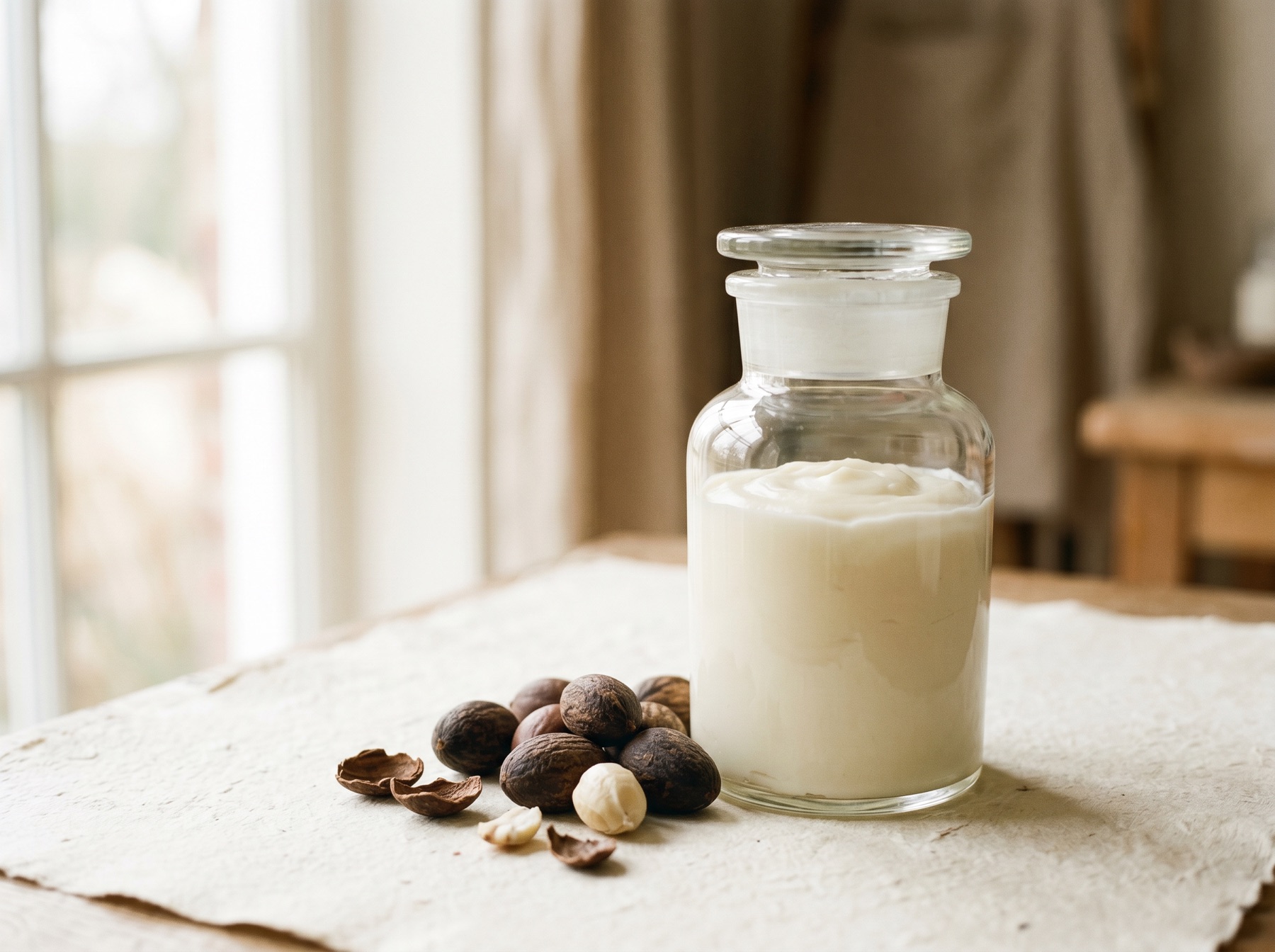
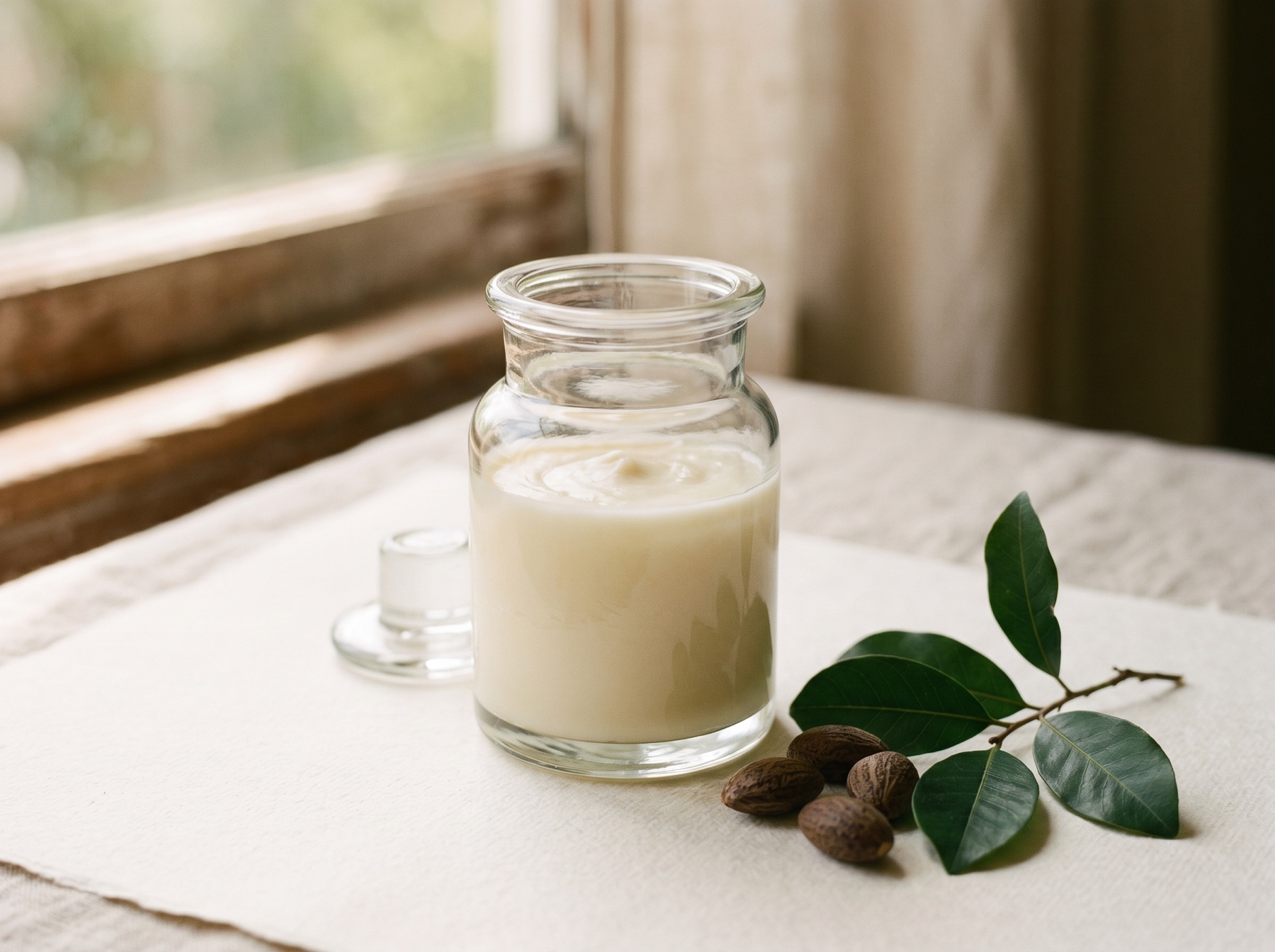
Sal is the quiet giant of Indian lipids. The tree dominates central-Indian forests for reasons that have nothing to do with cosmetics — its timber is the most widely used hardwood on the subcontinent. But the seed, gathered every April by tribal co-operatives, contains a fat that solidifies at room temperature and melts cleanly on skin.

N° 01
The grove & the press

What this butter actually is.

We offer sal in two grades. The refined grade is decolourised and deodorised for formulators who need a white, neutral butter that fits a pharmacy or clinical positioning. The green grade — our preferred offering — retains the faint tea-leaf aroma and pale ivory colour of the original press, and is the grade we use in our own CBE pipeline.

The economic case for sal is as important as the sensorial one. It remains among the most affordable structured butters available. The forest yield across Jharkhand and Chhattisgarh averages 200,000 tonnes of seed per year, of which a small fraction currently reaches international cosmetic buyers. The rest goes into confectionery CBEs or is rendered for soap.

Sal is what keeps palm out of the ingredient deck.

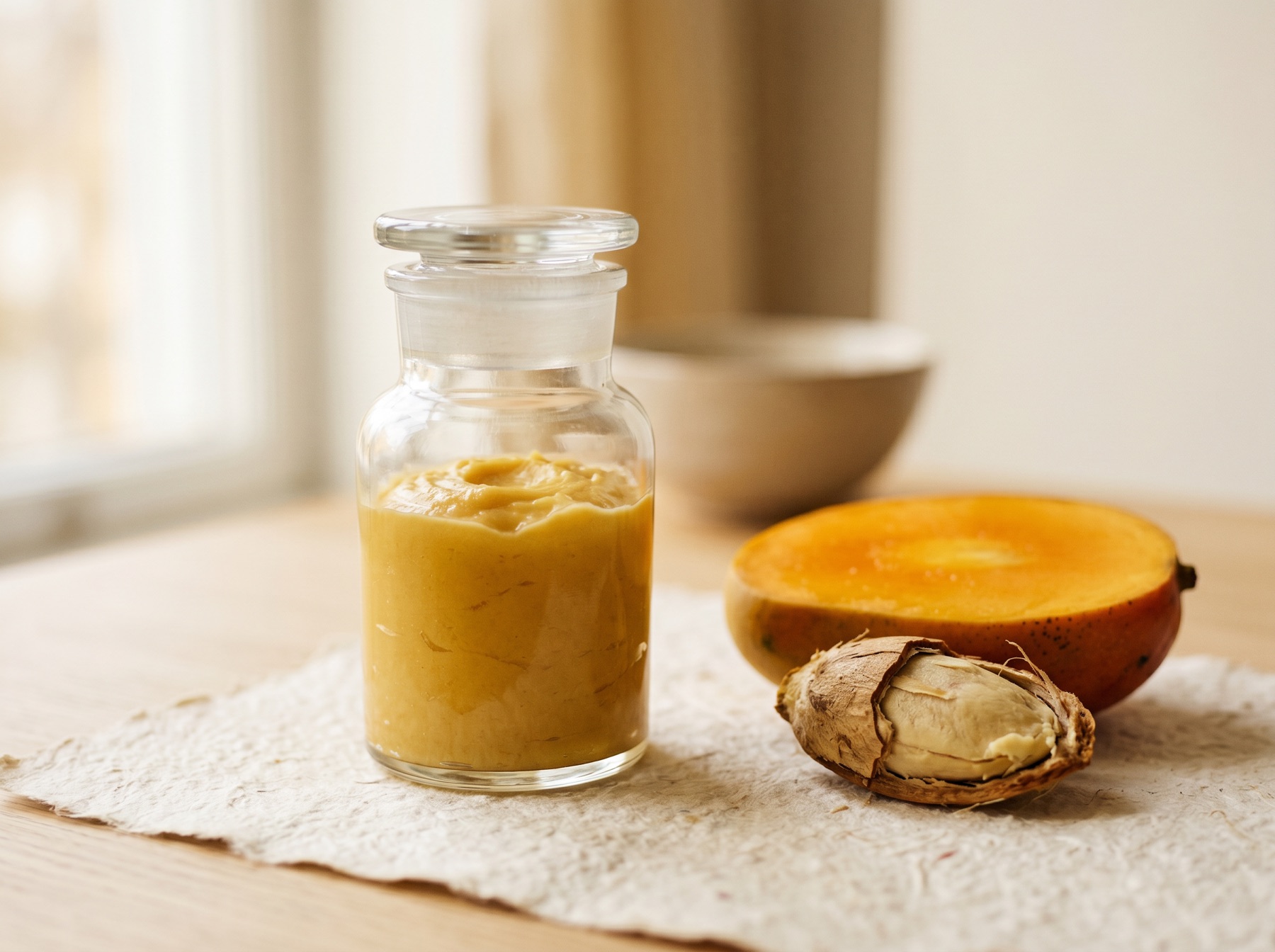
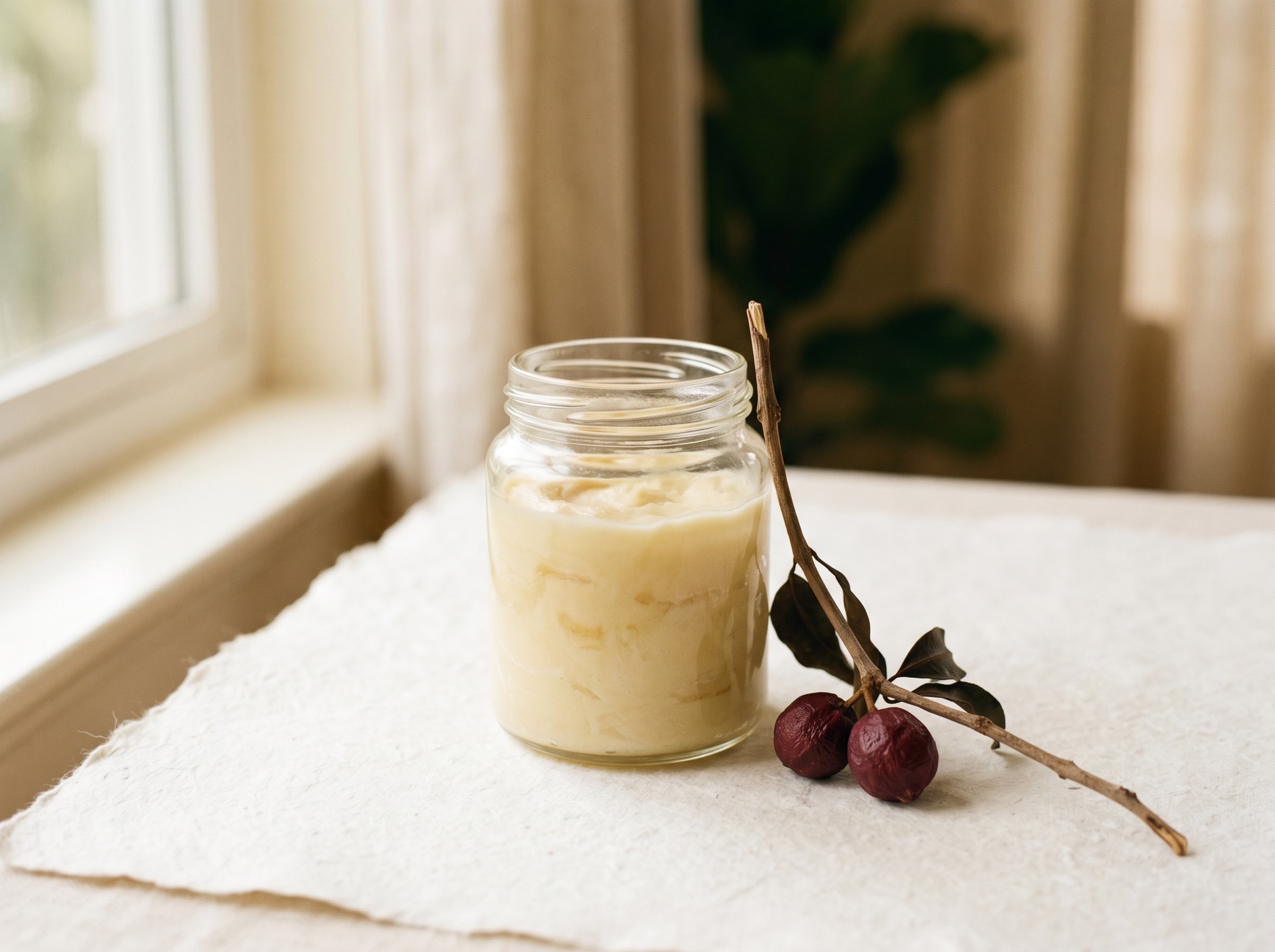
Formulators use sal the way a chef uses butter in French sauces — structurally, quietly, in the background. It blends without complaint. It crystallises cleanly. It holds stability through an Indian summer when softer lipids collapse. Our non-palm CBE uses sal stearin fractionated from the base butter, blended with kokum and, for certain premium applications, fractionated mango kernel.
N° 02
Specifications

The numbers behind every kilogram.

Technical specifications

Published typical values · not lot data

Melt point
35–42 °C
SAP value
185–195 mg KOH/g
Iodine value
31–45
Stearic acid
35–48 %
Oleic acid
35–42 %
Shelf life
24 months
MOQ (target)
50 kg

Fatty acid signature

Fatty acidNotationTypical range
StearicC18:035–48%
OleicC18:135–42%
ArachidicC20:06–12%
PalmiticC16:04–8%
LinoleicC18:21–3%
N° 03
Formulation uses

Where it earns its keep.

Applications where this lipid is generally used, drawn from published formulation practice.

CBE base blends

Sal stearin + kokum yields a non-palm cocoa butter equivalent.

Stick formats (deodorant, balm)

Firm, stable, non-tacky afterfeel.

Solid soap

Contributes hardness and clean lather.

Body butter emulsions

Economic alternative to shea in high-volume SKUs.

Pharmaceutical bases

Low reactivity, wide thermal window.

Candle blending

Structural fat for container candles.

Substitution guidance

Stearin replaces palm stearin 1:1 in confectionery-adjacent CBE applications. Unfractionated sal substitutes for shea in economic positioning but demands slightly lower inclusion (18–22% vs. 25%).

Provenance of these figures

Every specification on this page is a published typical value for the botanical species, compiled from supplier technical data sheets and the peer-reviewed literature. Real ranges shift with origin, season, kernel quality and refining route: treat these as indicative, and always specify against your supplier’s own CoA.

Pre-production

First samples go to this list.

Register interest and we will write to you personally when there is validated pilot material.

Register interest
N° 04
Also from the shelf

Three more dossiers.

The backbone of our non-palm CBE.

From Konkan with love.