Pre-production
Cocoa Butter Equivalent — editorial still life
Dossier N° 05 · Blended in Konkan, from Indian-sourced lipids

Cocoa Butter Equivalent

Sal-stearin & kokum blend

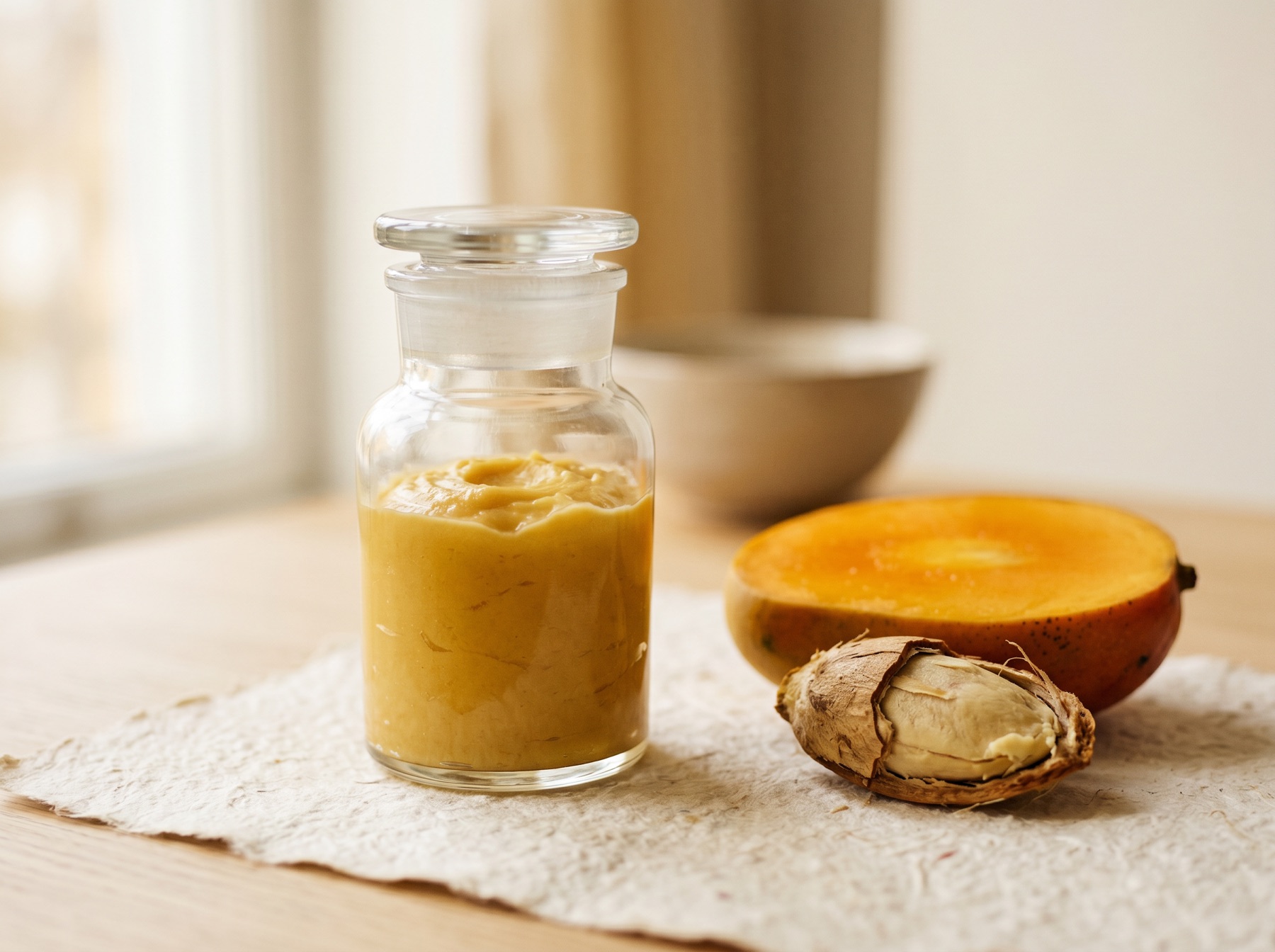
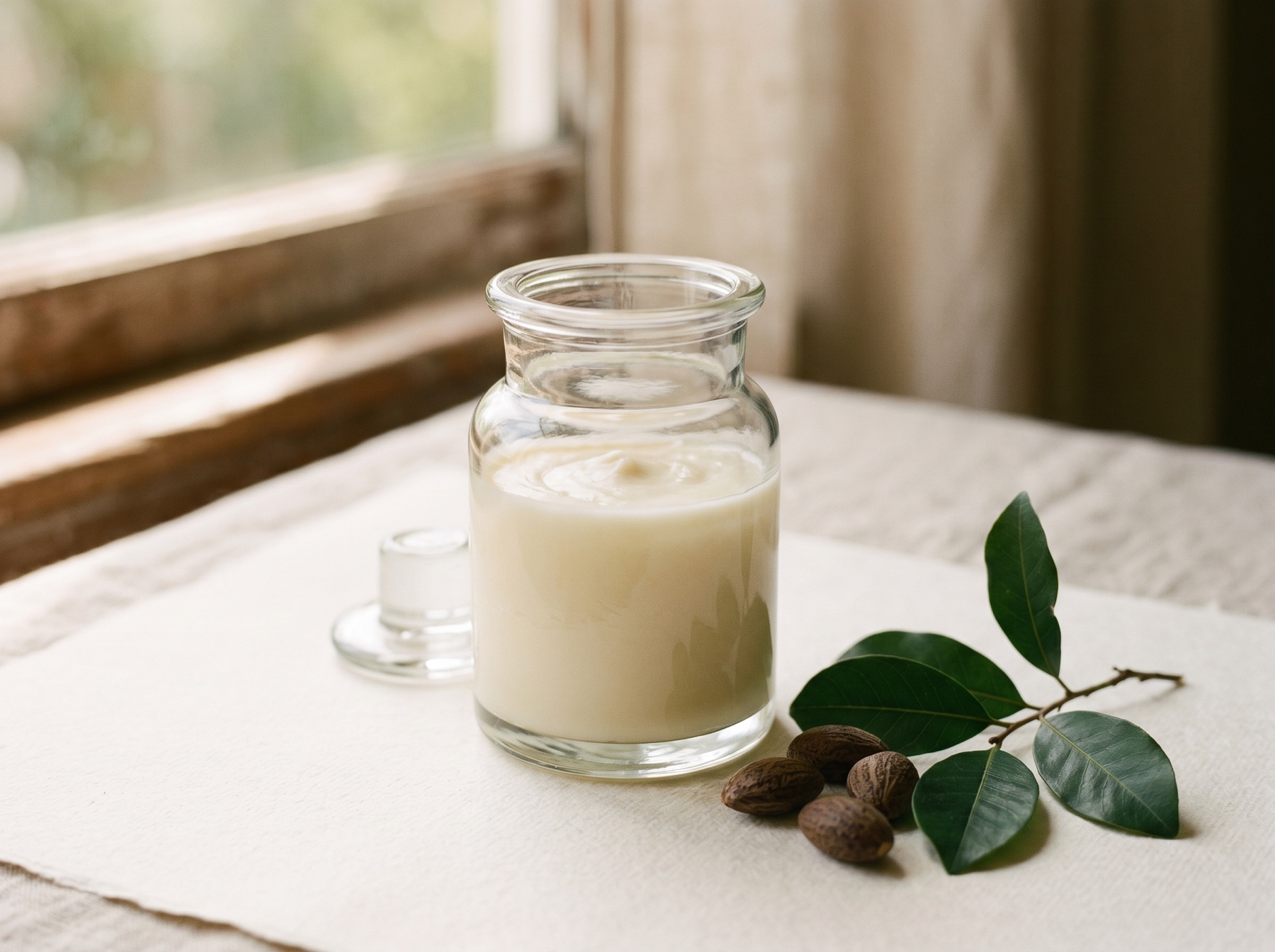
The cocoa butter equivalent market is worth $1.41B in 2026, growing at a 5.24% CAGR through 2030. Almost every commercial CBE on the market is built on palm stearin. Ours is not. We fractionate sal stearin and blend it with kokum — two Indian lipids — to produce a CBE with cocoa's thermal profile and none of the deforestation debt. Shipped in two grades: cosmetic under BIS discipline, food under FSSAI discipline, from one plant with segregated fractionation.

N° 01
The grove & the press

What this butter actually is.

Cocoa butter is expensive and volatile. London ICE futures for cocoa crossed £8,400 per tonne in early 2026, up 340 percent over two years. Every confectioner and — increasingly — every cosmetic brand is shopping for alternatives. The industry answer for fifty years has been palm-stearin-based CBE, fractionated and blended to mimic cocoa butter's solid-fat content curve.

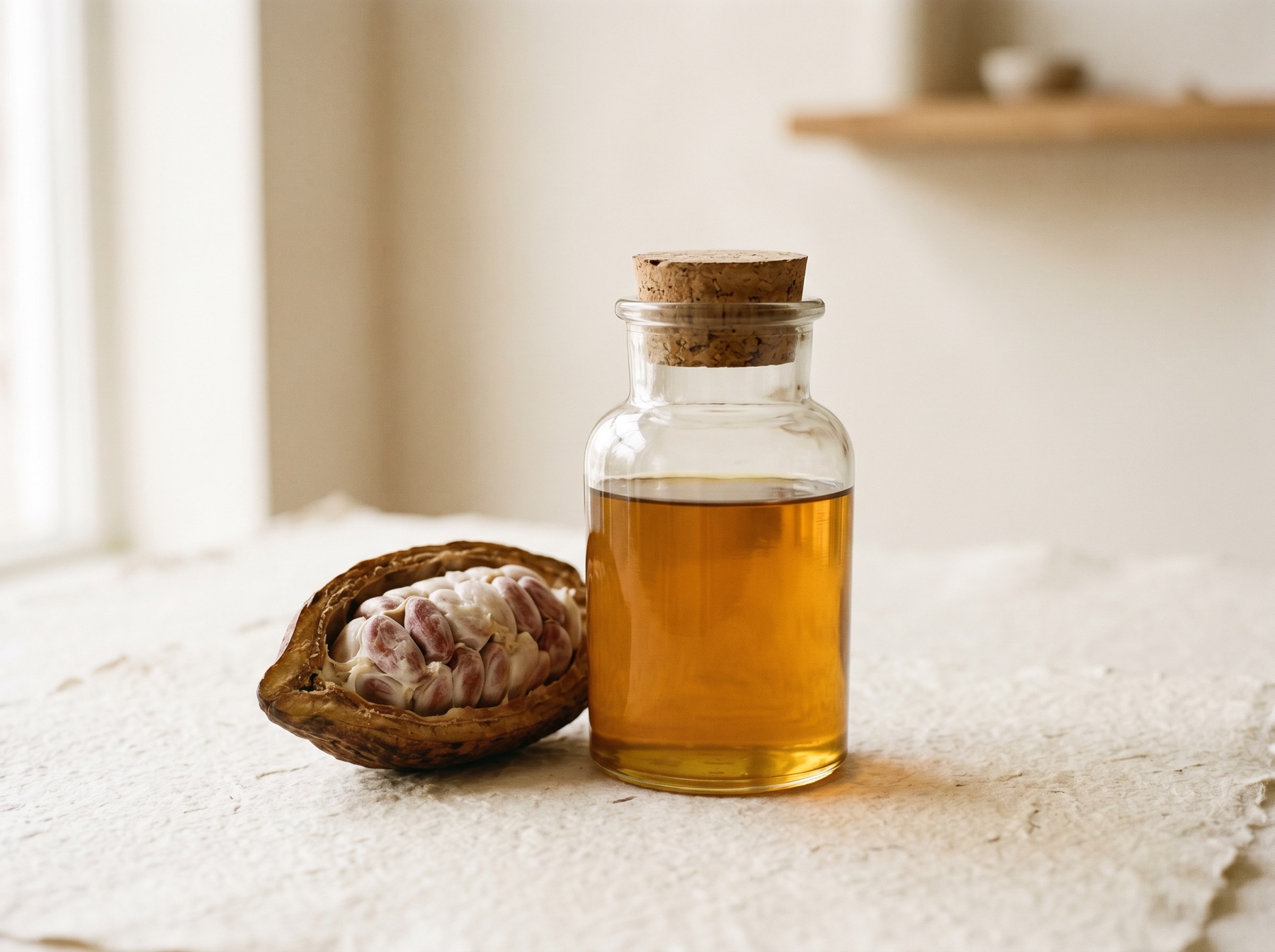
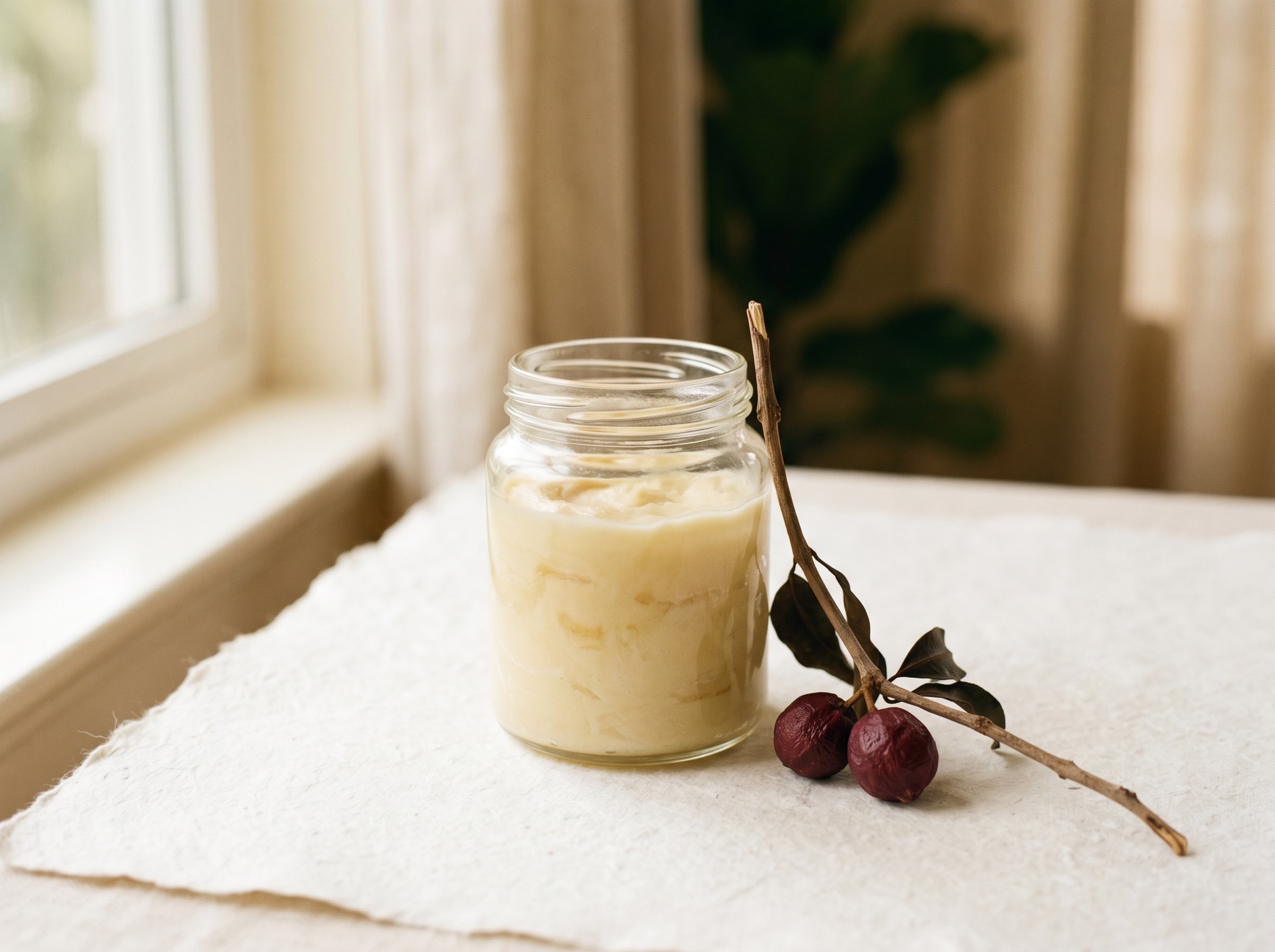
Palm, however, is no longer a clean story. EUDR compliance costs, NGO pressure, and consumer backlash have made palm-free positioning a commercial lever rather than a moral one. We believe the path forward is regional. Sal grows across 200,000 square kilometres of central India. Kokum grows exclusively on our coast. Between them, we have the fatty-acid profile and the thermal behaviour to match cocoa butter closely enough for most formulation purposes.

A CBE with zero palm and zero cocoa — that is the whole brief.

The intended structure is two grades from one plant: a cosmetic-grade line built to BIS IS 4707 and ISO 22716 discipline, and a food-grade line under FSSAI Central Licence with a HACCP plan and a segregated food-contact fill line. Neither line exists. No FSSAI application has been filed and no dispatch date can honestly be given.
N° 02
Specifications

The numbers behind every kilogram.

Technical specifications

Published typical values · not lot data

Melt point
33–35 °C
SAP value
188–198 mg KOH/g
Iodine value
32–40
Sal stearin
60–70 %
Kokum
25–35 %
Status
Pilot Q3 2026
MOQ (target)
200 kg

Fatty acid signature

Fatty acidNotationTypical range
StearicC18:050–58%
OleicC18:128–35%
ArachidicC20:05–9%
PalmiticC16:04–7%
LinoleicC18:21–3%
N° 03
Formulation uses

Where it earns its keep.

Applications where this lipid is generally used, drawn from published formulation practice.

Bean-to-bar chocolate food-grade

Direct substitute for cocoa butter at up to 5% inclusion under EU directive, higher under Indian FSSR. Single-origin story chocolatiers can print on the wrapper.

Confectionery CBE food-grade

Replacement for imported palm-based CBE. Thermal profile matches cocoa butter; solid-fat curve qualifies for tempering.

Pharmaceutical suppositories food-grade

Matches cocoa butter thermal profile; improved shelf life; BP / IP-compatible on specification.

Cosmetic lipstick bullets cosmetic

Snap and gloss of cocoa, without cocoa price volatility.

Chocolate-adjacent skincare cosmetic

Face masks, body butters marketed on cocoa story; full traceability to Indian lipid sources.

Cosmetic foundation sticks cosmetic

Structural lipid for stick foundations and prestige colour cosmetics.

Substitution guidance

Drop-in replacement for palm-based CBE. Requires pilot-scale qualification — we provide formulation support during onboarding.

N° 04
Food-grade track

For chocolatiers, under FSSAI discipline.

The same fractionated lipid, produced to a different discipline. The aim is a kokum-anchored CBE designed from the ground up for Indian confectionery supply. Here is what that means in practice.

Food-grade CBE is not cosmetic-grade CBE in a different bucket. It is a separate regulatory universe. The plant we intend to build separates the food-contact line from crude oil onward — stainless tanks, short-path deodorisation, a food-grade blender with clean-in-place, and a filler with metal detection and checkweighing, packed into food-contact liners and tamper-sealed for batch traceability. This equipment does not exist. It is a specification, not a facility.

Zero palm, zero cocoa, and a single-origin story a bean-to-bar chocolatier can print on the wrapper — that is the CBE we are setting out to build.

Allergen posture (design commitment): peanut-free, and tree-nut-free beyond our named sources (kokum, mango kernel, sal, mahua, dhupa, shea). Soy-free. Sesame-free. Gluten-free. Dairy-free. Egg-free. The intent is that every raw-material supplier signs an allergen declaration at onboarding. Full policy →

Early sampling for chocolatiers: craft and bean-to-bar houses interested in pilot-batch co-development can register interest; the first food-grade samples go to that list.

Provenance of these figures

Every specification on this page is a published typical value for the botanical species, compiled from supplier technical data sheets and the peer-reviewed literature. Real ranges shift with origin, season, kernel quality and refining route: treat these as indicative, and always specify against your supplier’s own CoA.

Key reference for kokum as a cocoa butter equivalent: Maheshwari, B. & Reddy, S.Y., “Cocoa butter extenders from Kokum (Garcinia indica) and Phulwara (Madhuca butyracea) butter,” Journal of the American Oil Chemists’ Society (doi:10.1007/BF02541559) — reports kokum’s stearic/oleic profile and its ~70% SOS triacylglycerol content, the basis of its use as a cocoa butter replacement.

Pre-production

First samples go to this list.

Register interest and we will write to you personally when there is validated pilot material.

Register interest
N° 05
Also from the shelf

Three more dossiers.

Our answer to a $141B market.

From Konkan with love.