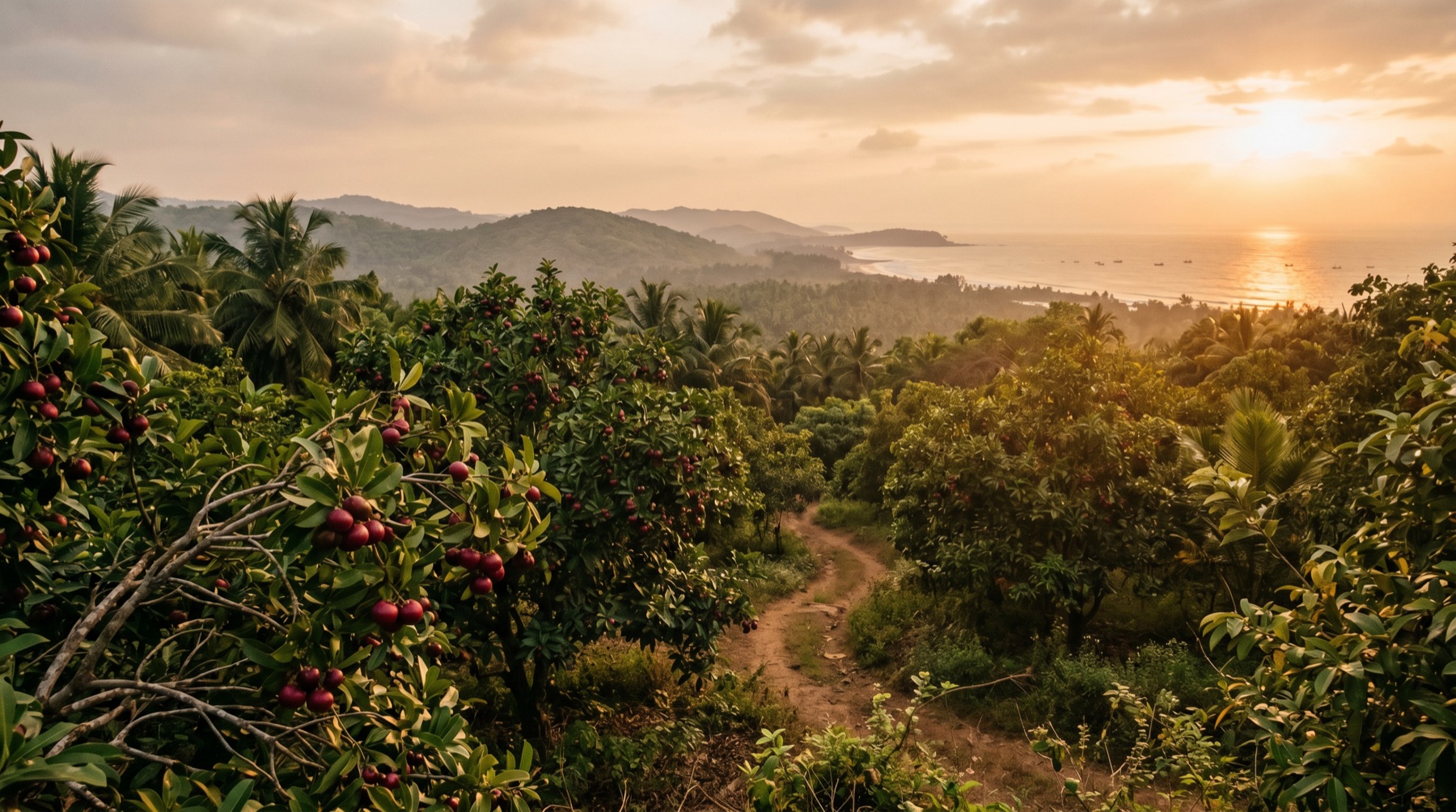
The grove
This is the supply chain we intend to build, not one that is running. The plan is to buy from named co-operatives across the Sindhudurg and Ratnagiri belt, each registered by panchayat and contact person, and to buy only inside the natural harvest windows. No co-operative has been contracted and no fruit has been bought.
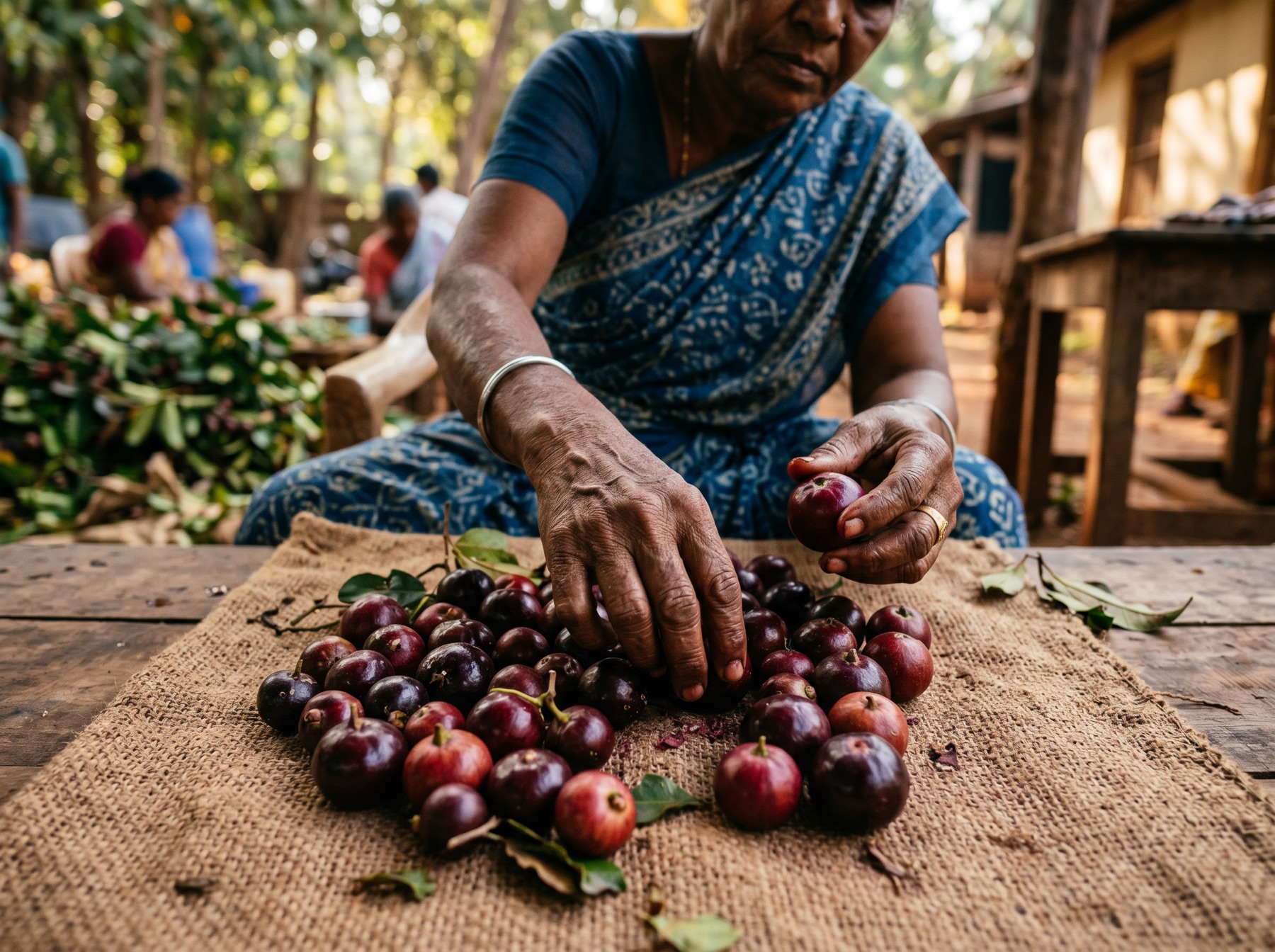
Hand-grading
The intended standard is hand-sorting at the co-operative against a written reference sheet — moisture, visible mould, and foreign matter each capped — with rejected kernels returned rather than blended down into a lower grade. No grading programme is in operation.
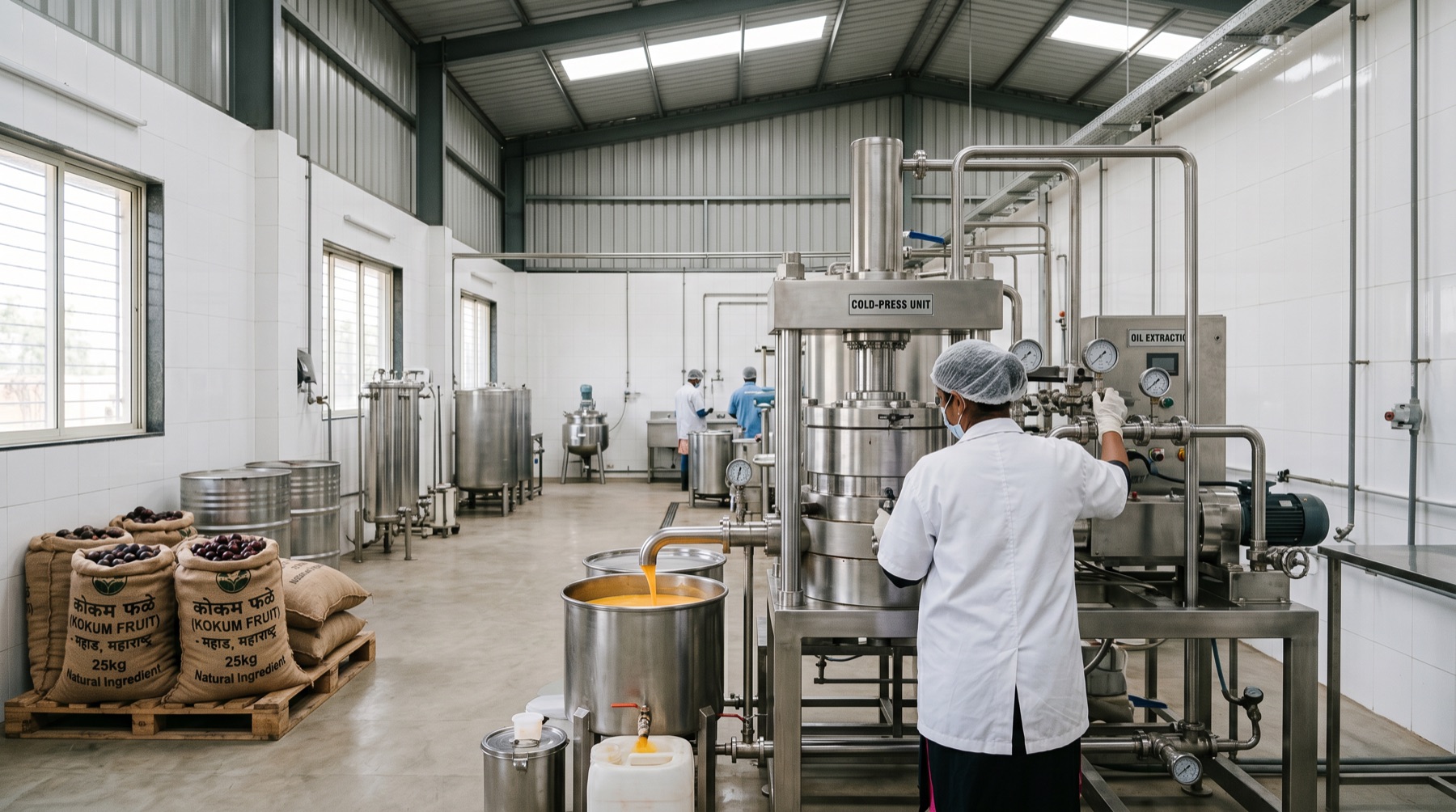
The press
We do not have a facility. The specification we are working toward is cold pressing kept well below the temperatures that damage these lipids, with no hexane and no bleaching on unrefined grades, and physical refining only — earth and steam, never solvents — on refined grades. Yield, throughput, and line count cannot honestly be stated until a pilot run has actually happened.
Dry fractionation
Dry fractionation — splitting a butter into a hard stearin and a soft olein by controlled crystallisation, with no solvents and no hydrogenation — is the core process this company is built around. It is well documented in the literature, and it is what we intend to validate at pilot scale with an established institute before committing to equipment. We have not yet run it.
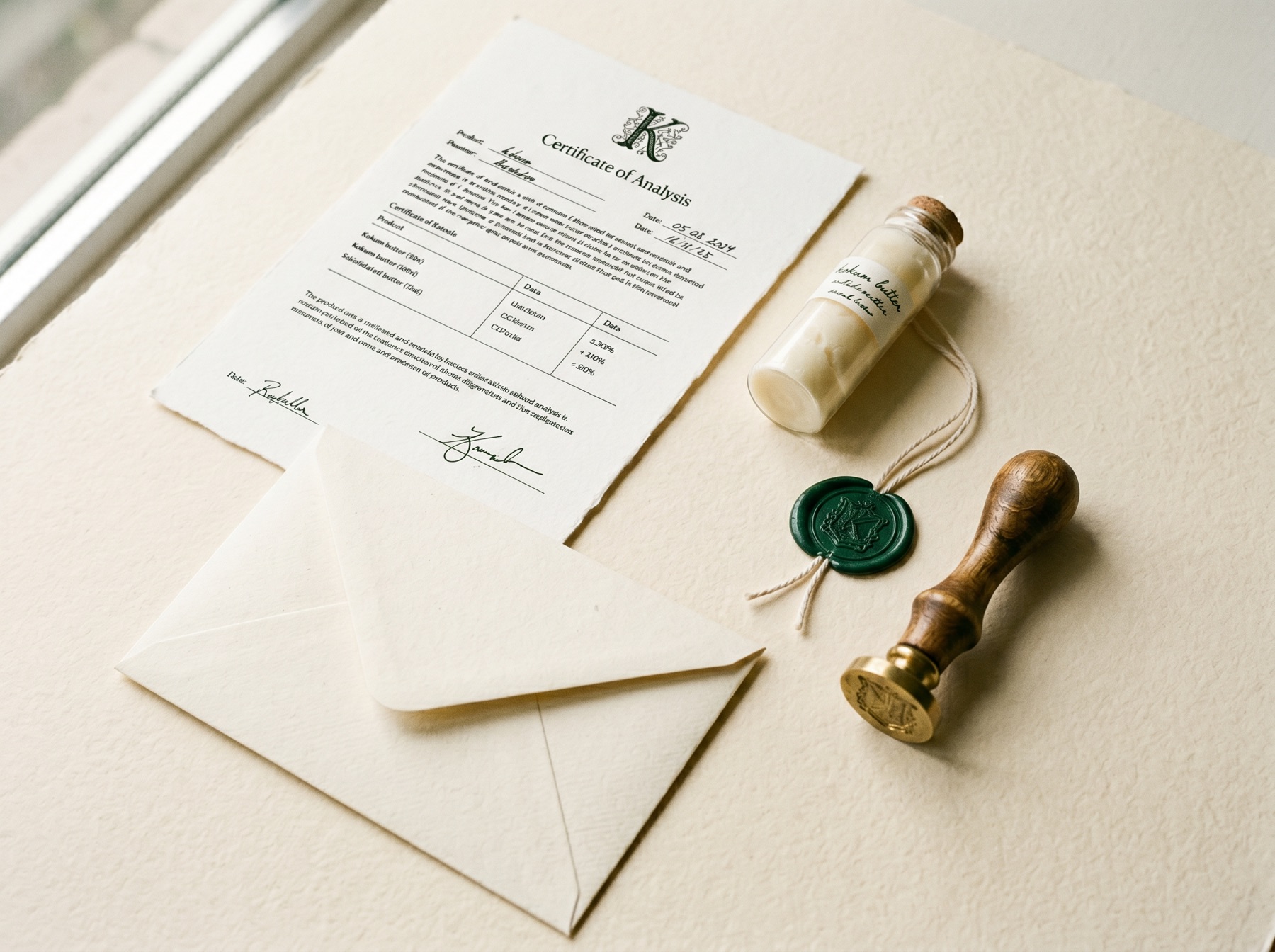
Lot & CoA
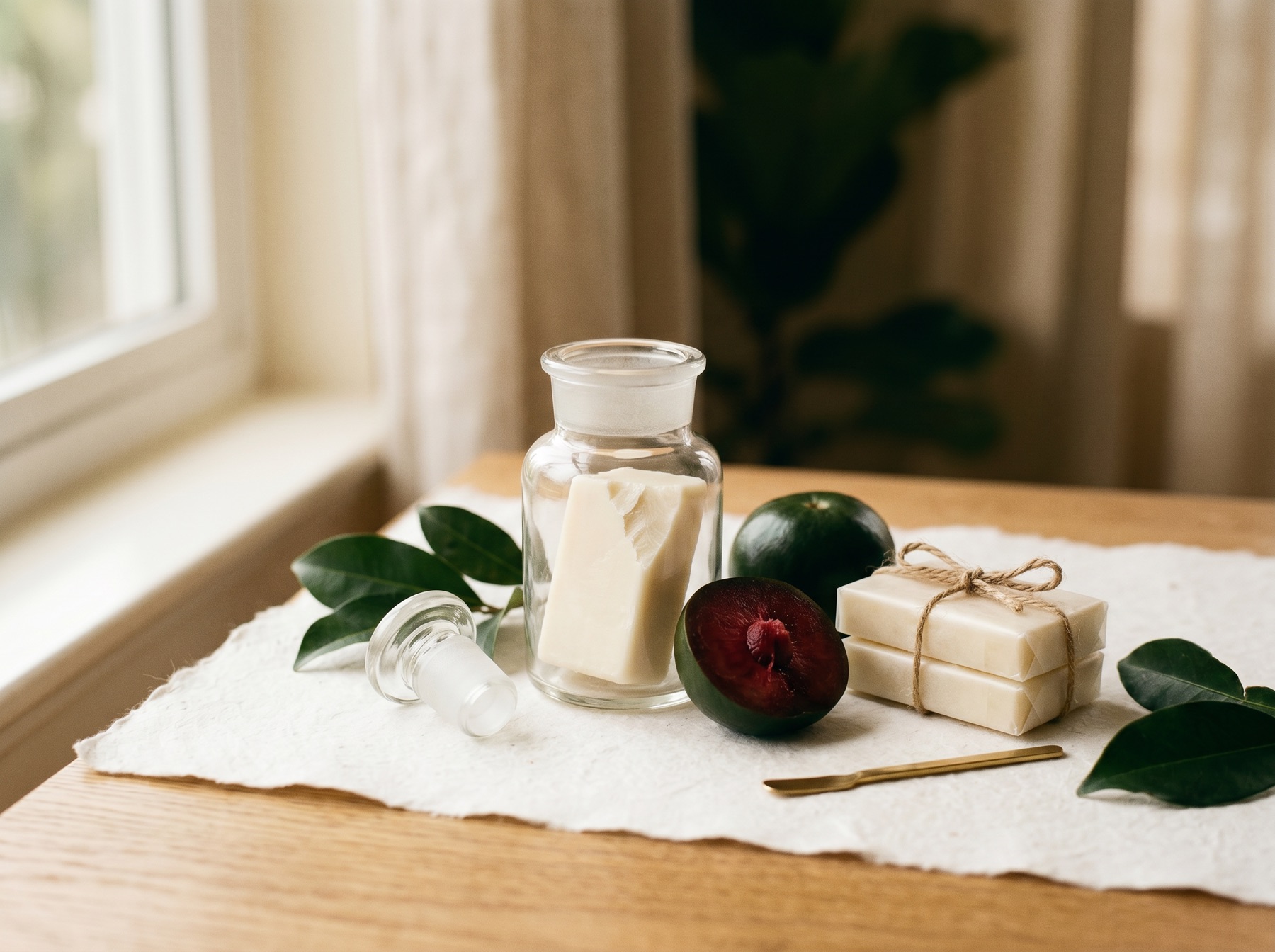
The intent is that every lot ships numbered and tested, with a certificate of analysis covering fatty-acid profile, saponification and iodine values, peroxide value and microbial counts, and that a retained sample is held for each lot. Any specification published on this site is a literature value for the species.